


A friend from church sends his oldest daughter off to college. When she returns home for Thanksgiving, she has renounced her faith and insists that Christianity is a “cisheteropatriarchal Western religion” built on “the oppression of Black and Brown bodies.” Her parents are heartbroken, her younger siblings are troubled, and her pastors are confused.
We’ve seen this scenario play out many times, in various ways. Young, idealistic college students are not the only ones being swept up in the social phenomenon of “wokeness.” It’s impacting everyone from older married couples and publishers to adoption agencies and Christian leaders. What is going on and what can we do about it? Here are a few tips:
1. Understand the Ideology
“Wokeness” is the cultural expression of a set of ideas drawn from critical theory, an area of knowledge stretching back to Karl Marx. Contemporary critical theory functions like a worldview or a pseudo-religion. At its core, critical theory divides the world into oppressor groups and oppressed groups, centers the “lived experience” of oppressed groups, and works to tear down and deconstruct the subtle “systems of power” that privilege the ruling class. It offers its adherents identity, community, meaning, purpose, and a sense of righteousness. That’s why it has such a tenacious hold on the minds and souls of its adherents.
2. Listen
Before offering a critique of critical theory, take time to understand the other person’s perspective. What made these ideas attractive to them? Did they experience racism or misogyny in the church? Did they begin to realize that their grasp of U.S. history was superficial and had papered over uncomfortable instances of injustice in our nation’s past? Did they become disillusioned with professing Christians who seemed to have little compassion on the poor and vulnerable? Everyone’s story is different. When they speak truth, affirm it. If some of their concerns are valid, acknowledge them. A posture of openness and gentleness will make your critiques easier to hear.
Also, if they are still professing Christians, ask them about their core theological commitments. Do they still believe in the authority and inerrancy of Scripture? What do they believe about sin and salvation? Is Jesus the only way to God? Don’t make assumptions. They may be attempting to make critical theory and Christianity compatible, accepting critical theory’s views on—say—race but rejecting its views on gender and sexuality. Praise God for such blessed inconsistencies!
3. Pray
Understand that we do not “wrestle against flesh and blood, but… against the cosmic powers over this present darkness, against the spiritual forces of evil in the heavenly places” (Eph. 6:12). In its fundamental tenets and its core commitments, critical theory is a spiritual stronghold. Ask God to open eyes and hearts and to give you wisdom, patience, humility, and faithfulness in your interactions. Ask for the Holy Spirit to convict you of your own sin, to guide your conversation, and to use you to bless the other person.
4. Engage
Once you’ve understood the other person’s views thoroughly, press them on the various incompatibilities of critical theory and Christianity. Talk about the objective nature of truth. Talk about the fallibility of our “lived experience” and our need to submit it to the scrutiny of Scripture. Talk about how God created gender as binary, not as a spectrum. Talk about how the biblical sexual ethic is God’s good gift to humanity. Talk about how Christianity is not a “European religion” but is rather God’s revelation to all humanity. Most of all, talk about how sin is our fundamental problem and how the gospel of Jesus Christ is the fundamental solution.
Despite the “vibe shift” of 2024, wokeness is still alive and well. As Christians, we must understand it and engage it, striving to “take every thought captive to Christ” (2 Cor. 10:5) so that we can continue to bear witness to God’s goodness, justice, love, and mercy. May the Lord use our faithfulness for his glory, our good, and the salvation of many.
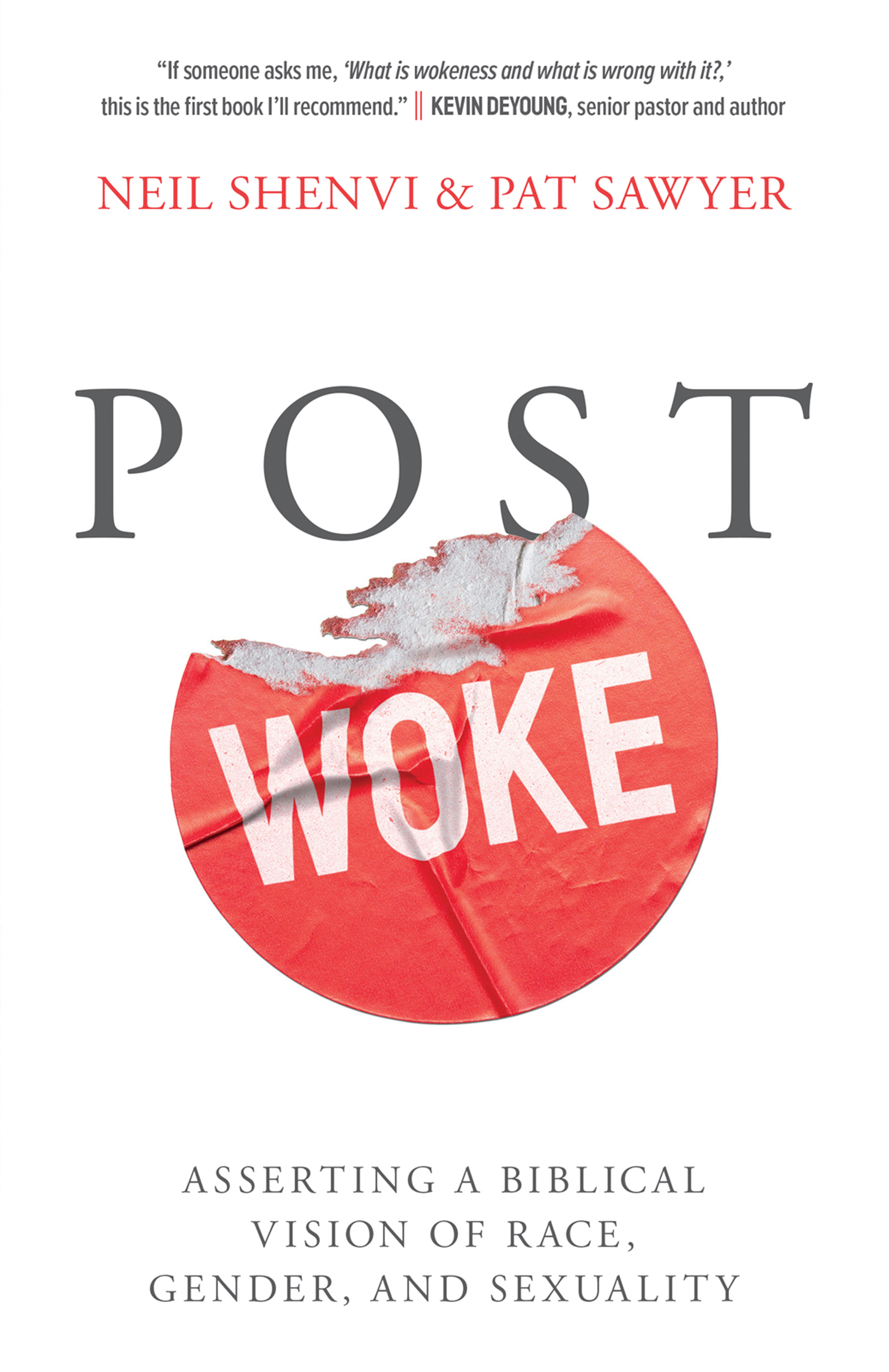
Read more in Post Woke
by Neil Shenvi & Pat Sawyer
You May Also Like...

March 5, 2026
Five Myths About Homeschooling—and What It Actually Looks Like Today
Modern homeschooling is flexible, diverse, and centered on how children actually learn. These five myths reveal why home education deserves…

February 26, 2026
Your Worth Beyond the Balancing Act: Simple Steps to Financial Peace
Bethany Frymire (CFP®) shares a simple budgeting system and practical encouragement for busy moms.

February 24, 2026
3 Short Prayers to Draw Closer to God Throughout Your Day
Here are three short, Scripture-based prayers to help you draw closer to God, trust His provision, and find strength in…