


There’s a strange phenomenon emerging in our Western culture. Non-Christian thought leaders are publicly admitting they like the fruits of Christianity. Only, the problem is, they just don’t want to believe in the tree. Psychologist Jordan Peterson, for example, knows Christian theology arguably as well as many pastors, and yet doesn’t claim to follow Christ. Similarly, public figures like Joe Rogan, Jonathan Haidt, and historian Tom Holland have all expressed appreciation for Christianity’s cultural benefits without confessing faith. Most striking, though, was Richard Dawkins, the famous atheist behind The God Delusion, who admitted on social media in 2024 to being a “cultural Christian.” Accordingly, he enjoys hymns, Christmas carols, and the Christian ethos. He even said he’d choose Christianity over Islam “every single time” because it seems “fundamentally decent.”
The irony isn’t lost on Christians, of course. Because we know the truth. We cannot reap the fruit of Christianity unless our roots are deeply planted in Christ. Here’s the fundamental reality: We cannot have Christian culture without Christ. The values, art, and traditions these thinkers appreciate weren’t birthed from good-will humanism; they’ve flourished from centuries of Christian belief and practice. We cannot divorce the values from the beliefs. For Christians, this cultural moment could easily become a “we told you so” situation. But if we exchange hubris for humility, we’ll see an opportunity for conversation about why Christianity matters beyond tradition and culture. Our values come from Christ. He is the source of the fruit.
And the fruit of Christ produces far more than cathedrals and carols. Jesus embodies a radical philosophy of forgiveness, compassion, and justice through relationship with Him. The human longing for justice itself is evidence that we understand the world is not as it should be. We recoil at racism, oppression, and abuse because truth is written on our hearts—even when our eyes are blinded by contemporary narratives, misguided leaders, or the Enemy himself. This is why it’s essential for Christians to consider and claim that the good work we do in the world is because of Christ. When we proclaim Christ over the justice work we engage, we battle against the Enemy. Each time we bring light to darkness, living water to the thirsty, the bread of life to the hungry, Satan loses territory and the gospel advances.
Ultimately, it’s not the government’s job to do social justice work; it’s the Church’s. When we place hope in governments to save us, disappointment is inevitable. History shows that movements promising just societies end in tyranny. Instead, the Church should lead justice-based causes, not the state. Partnership with public sectors is appropriate and possible. We need the Church and State to work together, certainly. But forging a partnership with our government is a far different perspective than placing our hope in it.
Why does a biblical view of social justice matter? Because the Christian view of justice is rooted in the cross. It is in Christ’s death we see the fruition of God’s perfect justice and perfect love. Evil is punished, sin is condemned, and redemption is possible—this is God’s plan for justice. In Christ, Biblical justice is both accountability and grace. As followers of Christ, may we be characterized by zeal for justice in all its forms because of our hope in Him. We should speak up for the marginalized, the oppressed, the forgotten. We labor to build systems reflecting God’s heart for human flourishing. We pray, work, advocate, and serve—not because the world tells us to but because every act of compassion is a foretaste of God’s coming kingdom. This is the root and fruit of our faith.
So how might God be inviting us into His redemptive plan? Biblical justice isn’t reserved for churches and nonprofits. It begins in everyday moments where Christ’s love meets human needs, like bringing meals to a new mother, offering rides to an elderly neighbor, mentoring a child from a single-parent home, redirecting resources toward ministries addressing injustice, volunteering your professional skills at a crisis pregnancy center or refugee agency. And sharing the redeeming and restoring power of the Gospel in both word and action. Each act of justice, however small, bears witness to the coming kingdom where all things will be made right.
Unlike secular social justice, which often focuses solely on restructuring power systems and achieving equal outcomes, biblical justice is rooted in God’s unchanging character and redemptive purposes. True justice cannot be achieved apart from the gospel’s power to transform hearts and minds. The needs of the world are great, and opposition often seems greater. But we draw strength from Jesus, who has overcome the world. In the face of injustice, we choose hope, love, and perseverance because of Jesus. And we stand confident knowing that God’s design for justice will have the final word on redeeming and restoring the world.
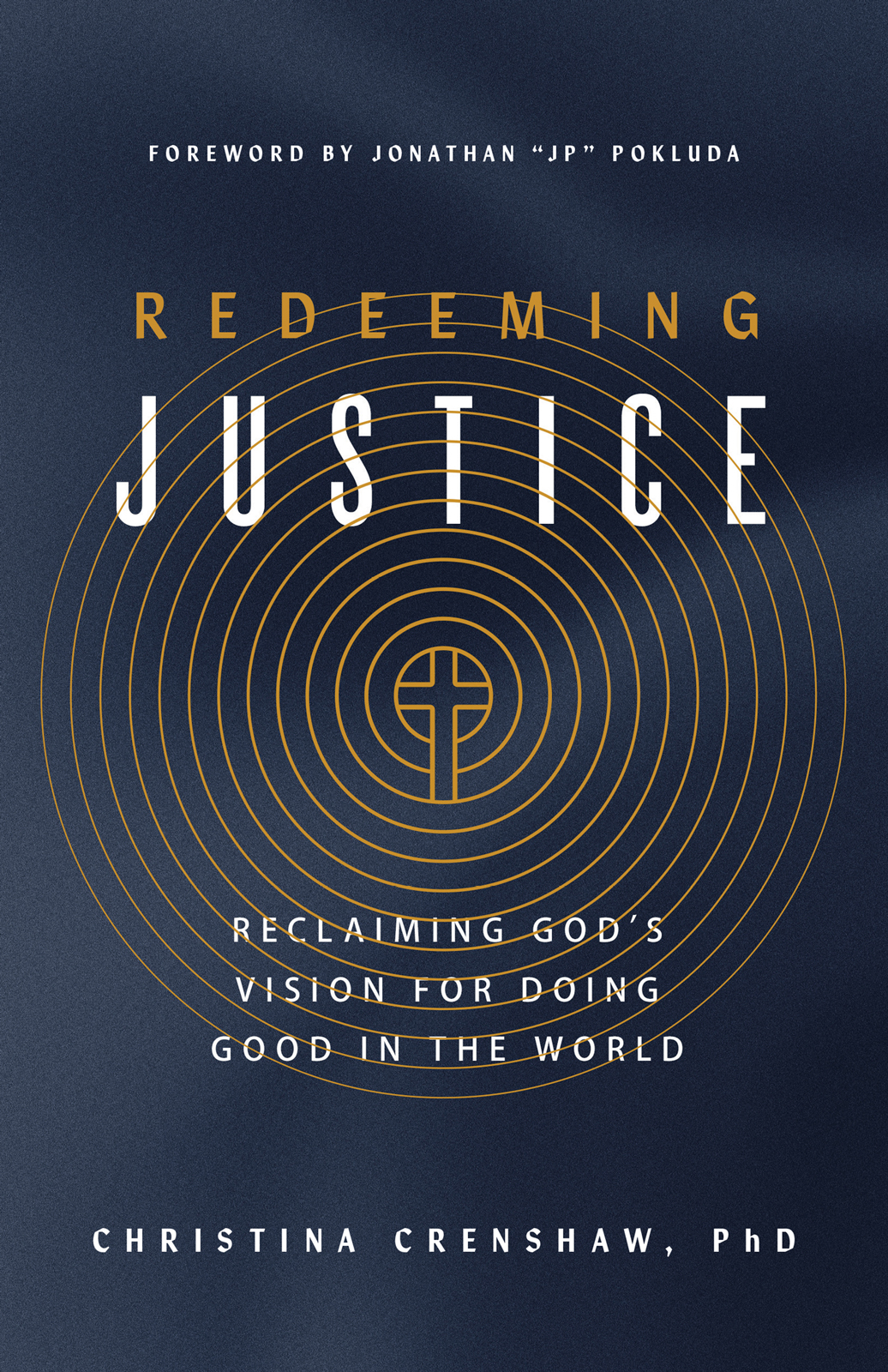
Read more in Redeeming Justice
by Christina Crenshaw
You May Also Like...

March 5, 2026
Five Myths About Homeschooling—and What It Actually Looks Like Today
Modern homeschooling is flexible, diverse, and centered on how children actually learn. These five myths reveal why home education deserves…

February 26, 2026
Your Worth Beyond the Balancing Act: Simple Steps to Financial Peace
Bethany Frymire (CFP®) shares a simple budgeting system and practical encouragement for busy moms.

February 24, 2026
3 Short Prayers to Draw Closer to God Throughout Your Day
Here are three short, Scripture-based prayers to help you draw closer to God, trust His provision, and find strength in…