

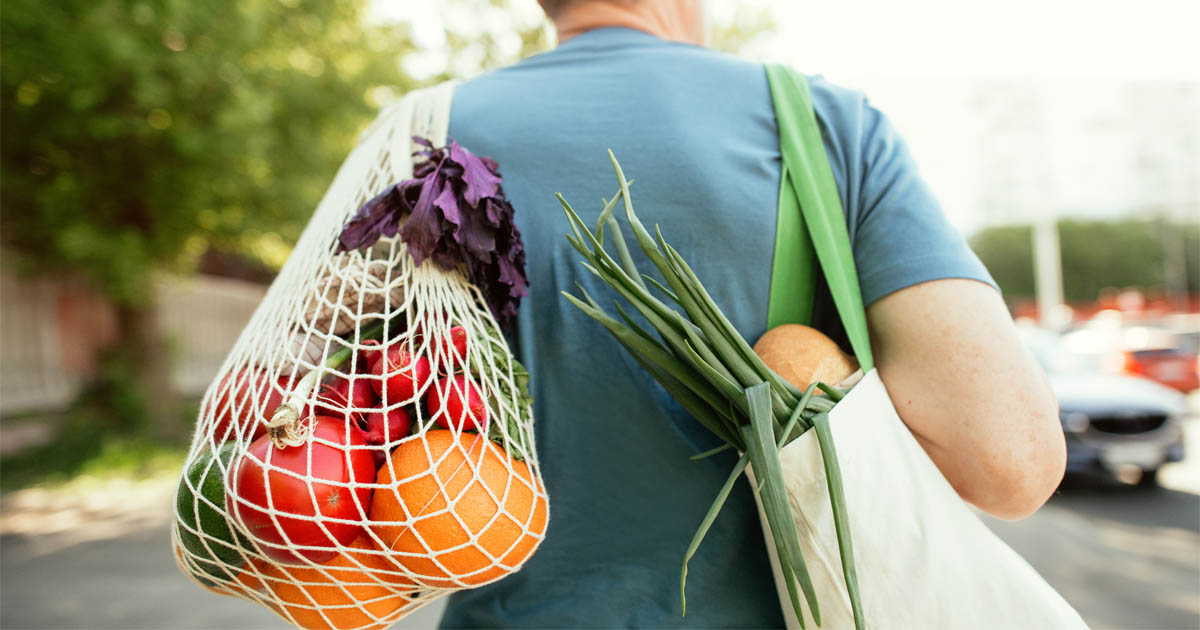
We can restore our connection to seasonal living and cultivate our own food security and self-reliance in many ways. While Italy provides one example we can mirror, it’s my intent that From Seed to Table cultivates what we see God intended for us in 1 Thessalonians 4:11-12: that we live a quiet life, mind our own business, work with our hands, and no longer need to depend on others. The latter includes not depending on a broken system for daily nourishment.
It is my hope that this book gives you some valuable tools and inspiration to pursue the ten goals on the following pages.
- Start a Seasonal Garden
Grow your own fruits, vegetables, and herbs in alignment with the seasons. Begin with a few plants and expand over time. Growing your own food provides not only fresh ingredients but an understanding of what foods thrive at different times of the year.
- Preserve the Harvest
Embrace canning, dehydrating, and freezing to extend the shelf life of seasonal produce and proteins. This allows you to enjoy your garden’s bounty year-round, reducing reliance on out-of-season, often imported, produce.
- Cook from Scratch
Avoid processed foods by cooking with whole, fresh ingredients. Try to use local or homegrown ingredients whenever possible. Cooking from scratch allows you to control what goes into your food, avoiding additives, to make healthier meals.
- Prioritize Farmers Markets and Local Producers
Support local farmers by shopping at farmers markets, where you’ll find fresh, seasonal produce. Buying local means you are getting foods likely harvested at peak ripeness, which boosts flavor and nutritional content.
- Compost to Build Soil Health
Start a compost pile or bin to recycle kitchen scraps and yard waste. This enriches your soil, reduces the need for chemical fertilizers, and promotes a closed-loop system in your gardening practice.
- Practice Crop Rotation and Companion Planting
No matter the type of garden, learn to rotate your crops each season and consider companion planting to maximize plant health and yield. This reduces pest problems, builds soil fertility, and increases your garden’s resilience over time.
- Raise Backyard Chickens or Small Livestock
If space and local ordinances allow, consider raising chickens for eggs or small livestock for meat. This helps foster a direct connection to your food sources and reduces dependence on industrially produced animal products.
- Forage for Wild Foods
Learn about edible wild plants in your area and try foraging for mushrooms, herbs, berries, and other local treasures. Foraging fosters a direct connection with nature, expands your understanding of local ecology, and adds variety to your diet.
- Create a Food Community
Build relationships with neighbors and local farmers, and consider organizing food exchanges where you can trade what you grow or preserve with others. This builds community resilience, strengthens social bonds, and promotes local food security.
- Embrace Seasonal Cooking
Cook and eat in sync with the seasons, focusing on lighter, refreshing dishes in the warmer months and heartier, warming foods in the cooler months. This practice helps keep meals fresh, exciting, and nutritionally aligned with what your body needs seasonally.
By taking even small steps toward these practices, we can become more self-reliant and gain a greater sense of security in our food sources. More importantly, we can nurture a deeper connection to the land and our food. Embracing seasonal living isn’t merely a return to the past; it’s a proactive step toward a more resilient and fulfilling future—just as God intended.
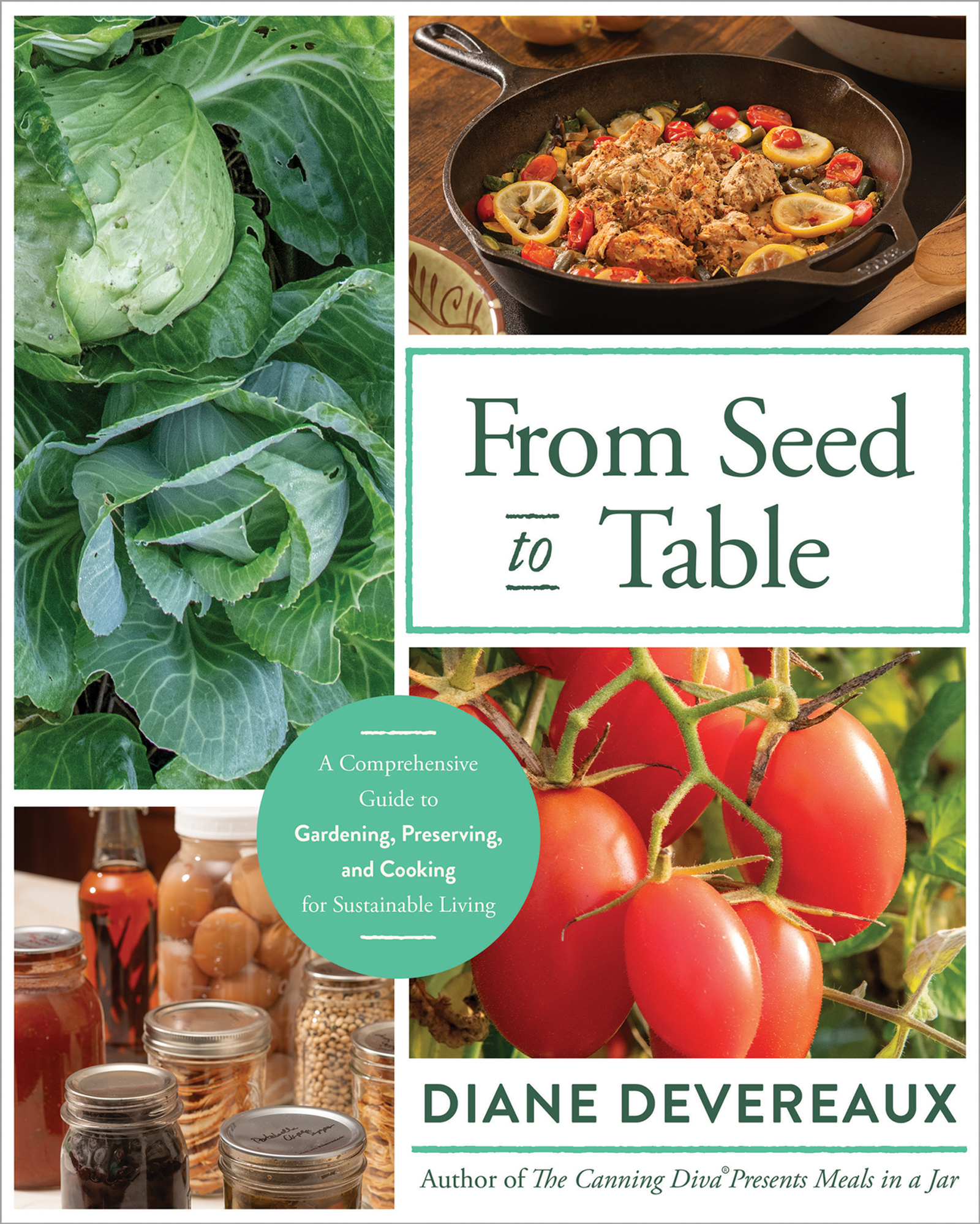
Read more in From Seed to Table
by Diane Devereaux
You May Also Like...
March 12, 2026
Walking in the Way of Wisdom: A Trail Guide from God’s Word
Using Proverbs as a guide, this devotional explores how God’s wisdom helps us avoid stumbling, turn back when we stray,…

March 5, 2026
Five Myths About Homeschooling—and What It Actually Looks Like Today
Modern homeschooling is flexible, diverse, and centered on how children actually learn. These five myths reveal why home education deserves…

February 26, 2026
Your Worth Beyond the Balancing Act: Simple Steps to Financial Peace
Bethany Frymire (CFP®) shares a simple budgeting system and practical encouragement for busy moms.